

You're probably not allergic to silver. Here's what's actually going on.
If you've ever put in a pair of earrings and felt your earlobes go hot and itchy by the end of the day — red, a little swollen, the kind of itch that makes you want to claw the backs out — you've probably told yourself the same thing most people do: I must be allergic to silver.
You're almost certainly not.
Real silver allergies exist, but they're rare. The thing your skin is reacting to is, in the overwhelming majority of cases, nickel — and the reason nickel keeps getting blamed on silver is a story about what the word "silver" gets stuck on.
Let me back up.
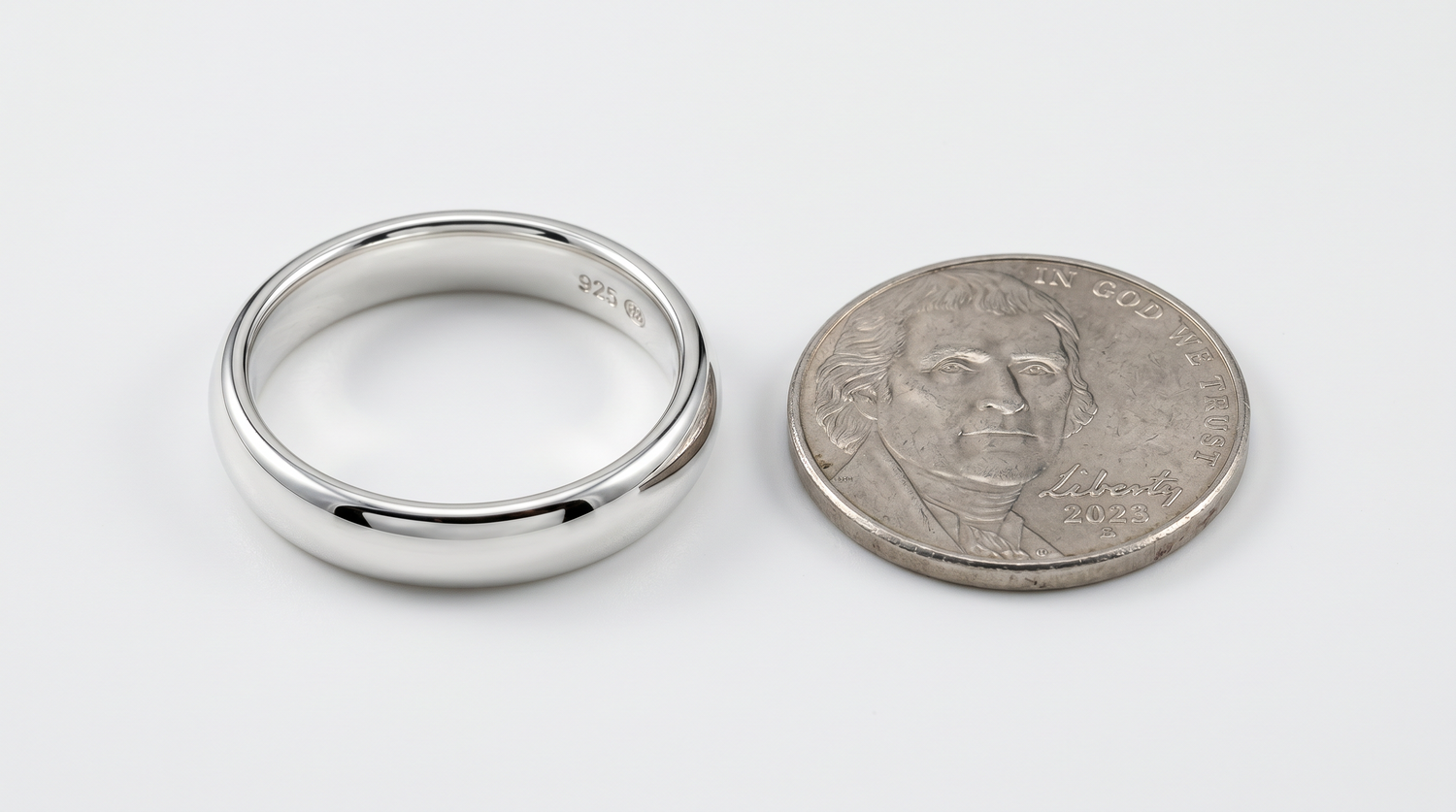
What sterling silver actually is I covered in Part 1, so I'll be quick: sterling is 92.5% pure silver and 7.5% something else, almost always copper. That's the whole recipe. Silver isn't a common allergen. Copper isn't a common allergen. Which means honest sterling — the real thing, properly made — is one of the safer metals you can put against your skin. Dermatologists put it on the short list they actually recommend for sensitive ears, right next to platinum and high-karat gold.
So if sterling is mostly silver and copper, and neither one tends to bother anybody, why do so many people swear silver breaks them out?
Nickel. It's the most common contact allergy there is — somewhere around 17% of women and 3% of men have it — and once your immune system decides it's an enemy, that's permanent. There's no growing out of it. The reaction is sneaky, too: it shows up anywhere from twelve hours to three days after contact, so the pair you blamed might not even be the pair that did it.
Here's how nickel ends up wearing silver's name. Cheap jewelry is very often a nickel base metal with a thin plating of something prettier on top, and when that plating wears through, your skin finally meets the nickel underneath. White gold can contain nickel. Low-grade "sterling" can pick up trace nickel in the manufacturing. In every one of those cases you're wearing something sold to you as silver-ish, your earlobes are miserable, and silver takes the fall for a metal it was never really about.
And then there's the one that ties this whole series together.
"Nickel silver" is not silver. Neither is "German silver," or "alpaca," or any of the other names it hides behind. It contains no silver at all — it's an alloy of copper, nickel, and zinc, named to sound like the real thing precisely because it looks like the real thing. You'll remember the silver-toned and silver-colored impostors from Part 1. This is their meaner cousin: not just cheaper, but loaded with the exact metal most likely to make you itch. If a bargain-bin "silver" piece lights up your earlobes, this is a prime suspect — and the maddening part is that the name was practically engineered to confuse you.
If nickel is the problem, the fix is simply nickel-free metal worn against the skin. Quality sterling. Platinum. Surgical stainless steel. And — pulling Part 2 back in — Argentium, which swaps in germanium and contains no nickel at all.
Now, the honest part, because this series doesn't do tidy.
"Hypoallergenic" is a marketing word, not a guarantee. It has no legal definition in jewelry. Anyone can stamp it on anything, regardless of what's actually in the metal. The word protects nobody; the metal does. So don't buy the label — buy the alloy, and buy it from someone who'll tell you straight what's in it.
And sterling itself isn't a magic pass. Cheaply made sterling can carry trace nickel, or wear a nickel-bearing plating, which is one more reason quality and source matter as much as the stamp. The difference that runs through this whole series was never sterling versus everything else — it's real versus cut-rate. And finally: a small number of people genuinely do react to silver or copper. Rare isn't never. If a dermatologist has patch-tested you and told you otherwise, believe them, not me.
But for most people who've spent years quietly avoiding silver? It was probably never the silver. It was the company silver was keeping.
That's the end of the Silver Series — three Thursdays, one stubborn idea: you should know what you're wearing. If you missed them, Part 1 is what silver jewelry actually is and Part 2 is the Argentium story. Read together, they're a short, opinionated field guide to a metal most people buy on faith.
–Amanda

Leave a comment
This site is protected by hCaptcha and the hCaptcha Privacy Policy and Terms of Service apply.